
Advancing Smart Assistive Technologies for Enhanced Mobility
At Assistive Innovations, we develop cutting-edge intelligent assistive systems combining biosignal processing, AI, and embedded computing to transform human-machine interaction and mobility support.
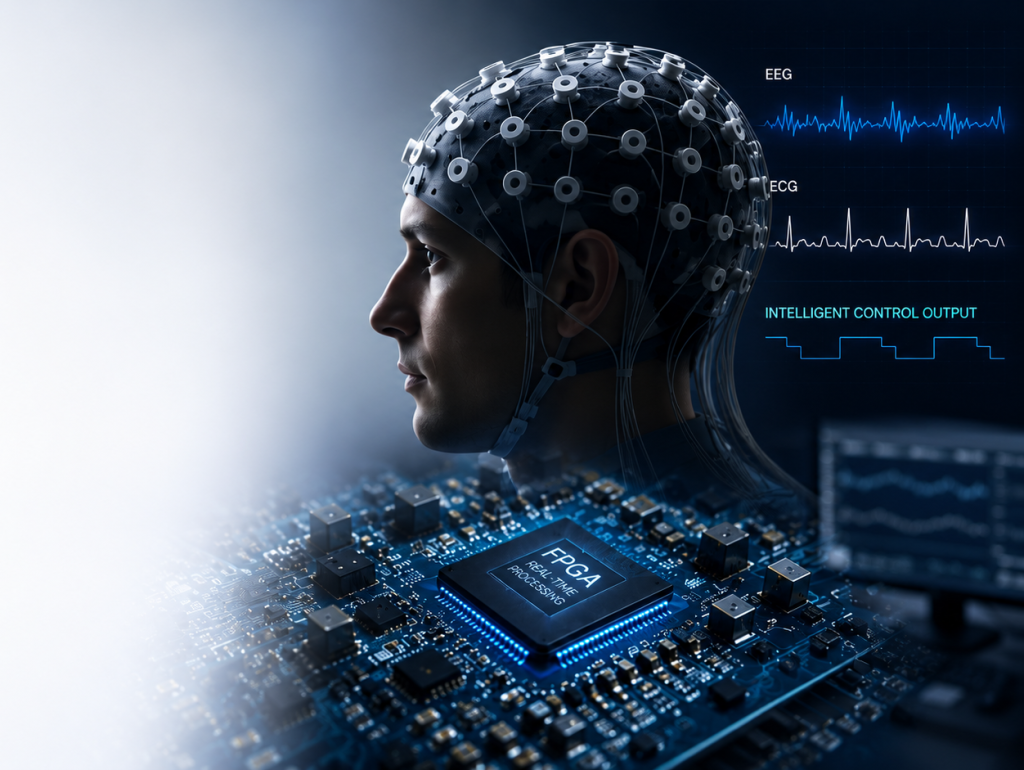
Innovating Intelligent Assistive Technologies
Explore our groundbreaking research that integrates biosignal processing and AI to enhance human-machine interaction and assistive mobility, demonstrating our expertise and impact.
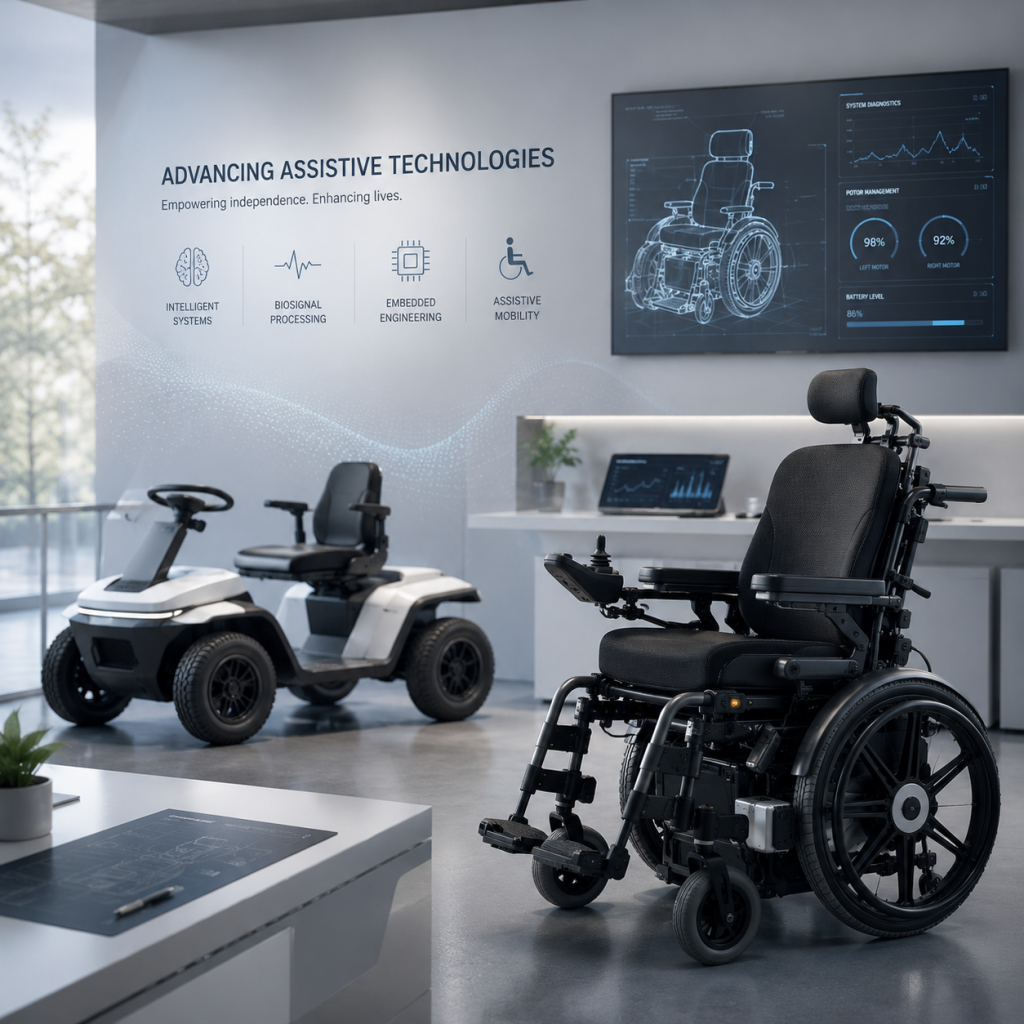
Pioneering Intelligent Assistive Systems with Advanced Technology
At Assistive Innovations, our mission is to transform human-machine interaction through cutting-edge research in biosignal processing and AI, driving breakthroughs that empower mobility and accessibility for all.

Transforming Human-Machine Interaction Through Intelligent Systems
Explore our groundbreaking research metrics that demonstrate innovation and technological advancements.

1
Active Grants
Showcasing our portfolio of funded projects, driving assistive technology forward.
2
Patents Filed
Detailing proprietary technologies that protect our innovative assistive solutions.
Advancing Assistive Technology for Remarkable Impact
Discover how our cutting-edge research and intelligent systems transform human-machine interaction, driving innovation in assistive mobility.
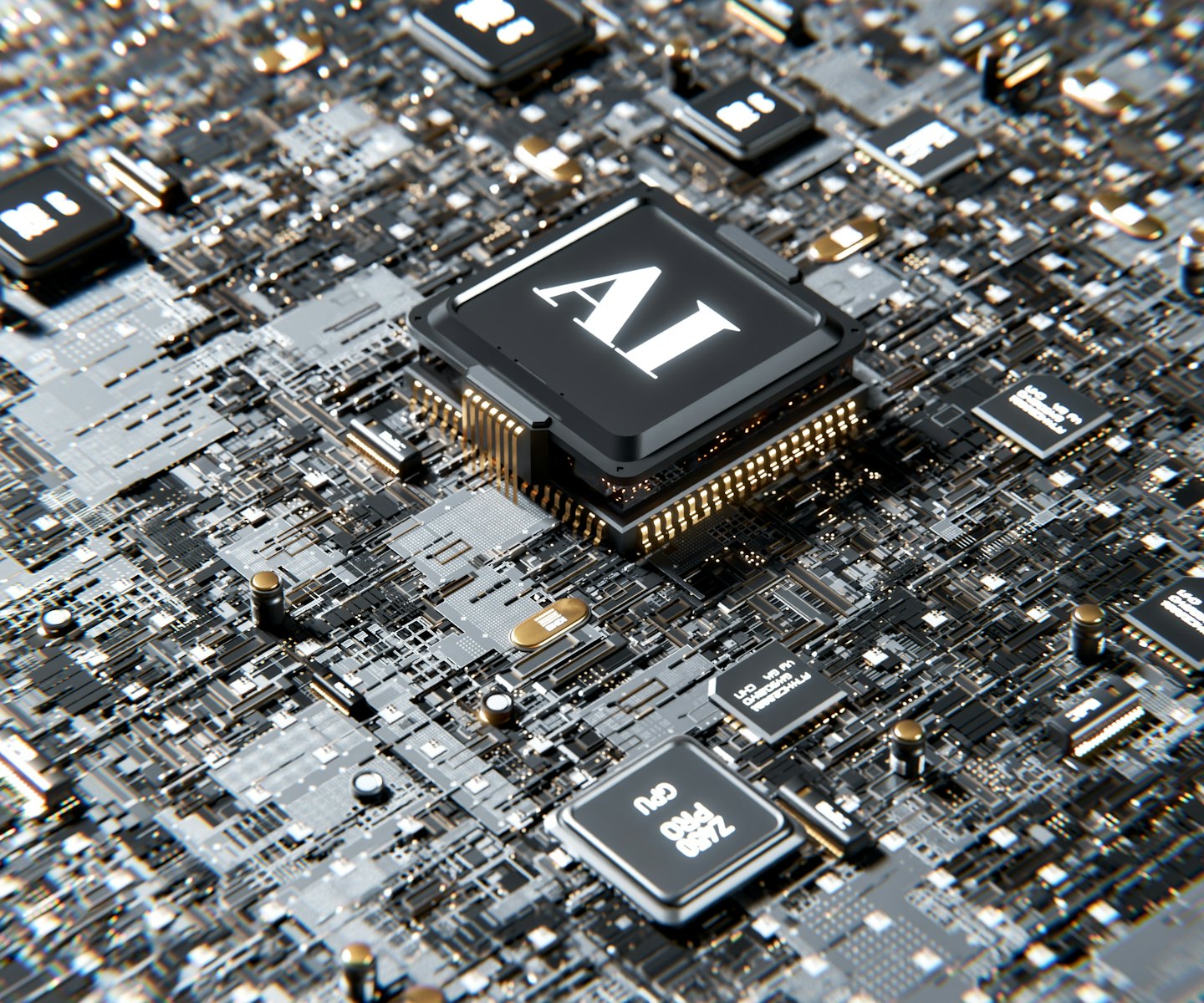
Intelligent Biosignal Processing
Harness sophisticated biosignal algorithms to enable seamless, real-time interaction between humans and devices, enhancing accessibility and responsiveness.

AI-Driven Adaptive Control
Implement artificial intelligence to customize assistive systems that learn and adapt to individual user needs, improving safety and efficiency.
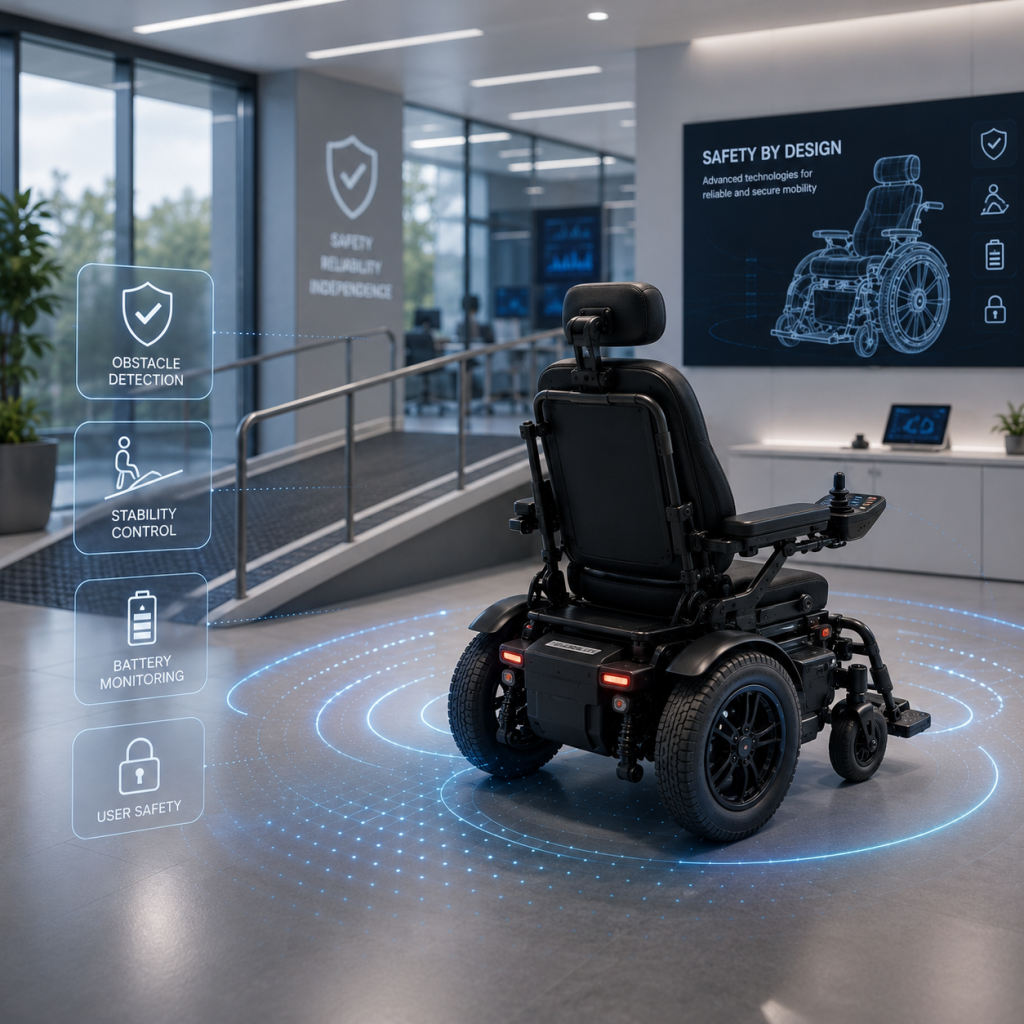
Embedded Safety-Critical Systems
Develop robust embedded computing solutions ensuring reliable, fail-safe operation in assistive technologies, critical for user confidence and wellbeing.
Our Approach
Explore the innovative methods we employ to advance intelligent assistive systems, guiding you through our research and development journey.

Phase One: Foundation
We begin by integrating biosignal processing with embedded computing to create a robust platform that supports seamless human-machine interaction.

Phase Two: Development
Building upon the foundation, artificial intelligence algorithms are applied to optimize assistive mobility and ensure safety-critical control.

Phase Three: Impact
Finally, our intelligent systems transform assistive technologies, enhancing user experience and revolutionizing accessibility in daily life.